The Science Behind Massage Therapy and Improved Blood Circulation
Introduction
Massage therapy is widely known for its relaxing effects, but its benefits go much deeper than simple comfort. One of its most important physiological impacts is the improvement of blood circulation. Proper circulation is essential for delivering oxygen and nutrients throughout the body while removing waste products. Understanding the science behind how massage influences circulation helps explain why it is such an effective tool for overall health and recovery.
How Blood Circulation Works
Blood circulation is the process by which the heart pumps blood through a network of vessels, supplying oxygen and nutrients to tissues and organs. When circulation is efficient, the body functions smoothly. However, factors such as stress, lack of movement, and muscle tension can slow down this process. Poor circulation may lead to fatigue, muscle soreness, and slower healing, making services like 서울 후불 출장 a helpful option for relaxation and improved blood flow.
Role of Massage in Stimulating Blood Flow
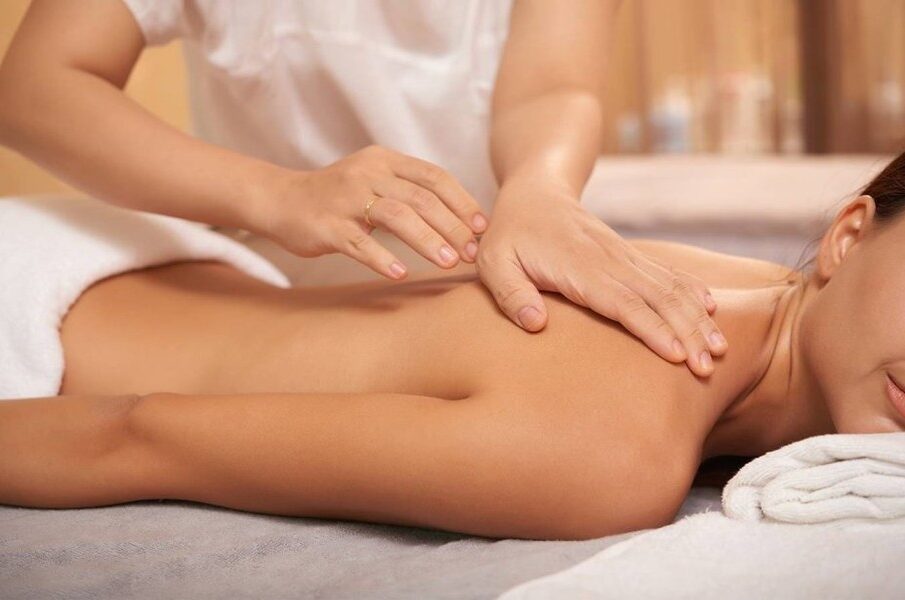
Massage therapy improves circulation through mechanical pressure applied to the body. When a therapist presses and releases muscles, it creates a pumping effect that encourages blood to move through congested areas.
This action helps expand blood vessels and promotes better flow, allowing fresh oxygen and nutrients to reach tissues more effectively. As a result, muscles feel more relaxed and energised after a session.
Oxygen and Nutrient Delivery
Improved circulation means that cells receive a greater supply of oxygen and essential nutrients. This is especially important for muscle recovery after physical activity. When muscles are well-nourished, they repair faster and function more efficiently.
Massage therapy supports this process by ensuring that blood reaches even the deeper layers of muscle tissue, enhancing overall performance and recovery.
Removal of Toxins and Waste Products
Another key benefit of improved circulation is the removal of metabolic waste products from the body. Substances like lactic acid can build up in muscles after exercise, leading to soreness and fatigue.
Massage helps stimulate the lymphatic system, which works alongside the circulatory system to eliminate toxins. This cleansing effect reduces discomfort and supports the body’s natural healing mechanisms.
Impact on the Nervous System
Massage therapy also influences the nervous system, which plays a role in regulating blood flow. When the body is stressed, blood vessels may constrict, reducing circulation. Massage helps activate the relaxation response, encouraging blood vessels to widen.
This leads to improved circulation and a sense of calm, showing how physical and mental health are closely connected.
Long-Term Health Benefits
Regular massage sessions can contribute to sustained improvements in circulation. Better blood flow supports heart health, reduces muscle tension, and enhances overall energy levels. Over time, this can lead to improved physical performance and a stronger sense of well-being.
Conclusion
The science behind massage therapy highlights its powerful role in improving blood circulation. Through a combination of physical pressure and relaxation, it enhances the delivery of oxygen and nutrients while removing waste products from the body. As a result, massage therapy serves as both a therapeutic and preventive approach to maintaining good health and vitality.