Signs Your Child’s Braces Treatment is Progressing Successfully
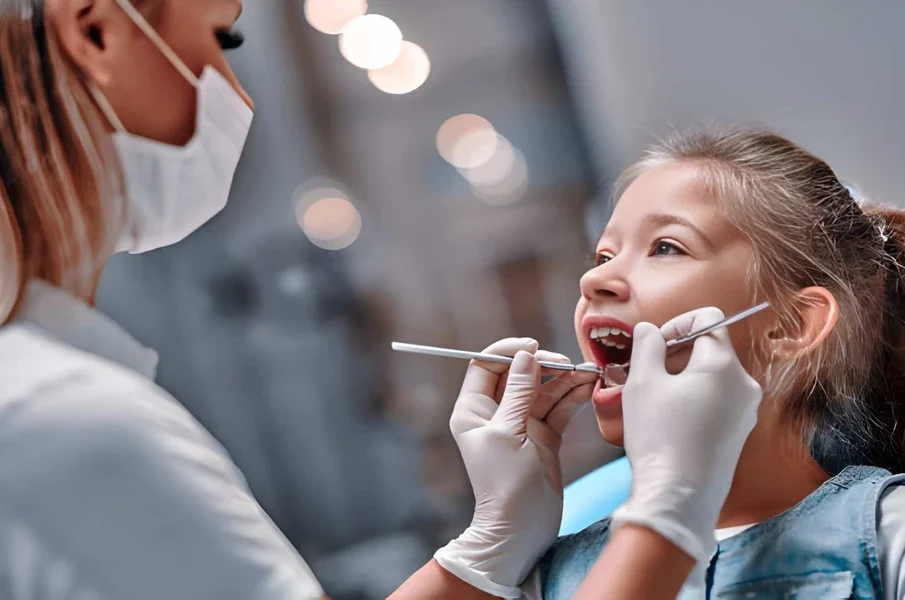
Watching your child get used to braces can be a bit of an emotional journey. There may be initial soreness, questions about food, and occasional complaints about another orthodontist appointment. But after a few months, you may notice little changes in their smile. That is encouraging!
So, how can you tell whether your child’s braces treatment is progressing successfully? While every child responds differently, an experienced orthodontist will look for the signs to understand and explain what is happening. If you need a reliable braces orthodontist Edmonds, WA, you can book an appointment at Pagan Orthodontics.
1. Their Teeth Are Gradually Becoming Straighter
One of the earliest signs of progress is better tooth alignment. Overlapping teeth may gradually straighten, and gaps may begin to close. Changes can appear within a few months, depending on the case. Treatment often takes 18-24 months, though timelines vary. Don’t worry if some teeth move faster than others; this is normal.
2. Their Bite Is Improving
Braces don’t just straighten teeth; they can also improve how your child’s upper and lower teeth fit together.
Look for gradual improvements in:
- Overbite: Upper teeth sticking out too far.
- Underbite: Lower teeth sit in front of the upper teeth.
- Uneven bite: Teeth meet irregularly when biting down.
Your orthodontist will monitor these changes, as bite correction often takes longer than visible tooth alignment.
3. Regular Adjustments Are Keeping Treatment on Track
Routine orthodontic visits are an important part of successful treatment. During these appointments, the orthodontist checks tooth movement, adjusts wires or other appliances, and makes changes when needed.
Following the recommended schedule helps identify problems early and keeps treatment moving towards its intended goal.
4. Your Child Is Following Care Instructions
Here is something parents sometimes overlook: your child’s daily habits can make a real difference.
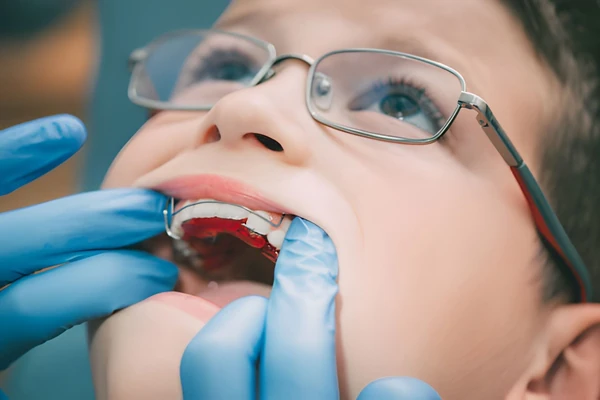
Positive signs include:
- Brushing carefully around brackets and wires.
- Flossing regularly to remove trapped food.
- Wearing prescribed elastics as instructed.
- Avoiding sticky and hard foods that could damage braces.
- Reporting loose brackets or uncomfortable wires promptly.
Good oral hygiene can help reduce the risk of cavities and gum issues, which may interfere with orthodontic treatment.
5. Discomfort Is Becoming Easier to Manage
When braces are first fitted or adjusted, some soreness is common. As your child gets used to them, everyday activities such as eating and speaking may become more comfortable.
Mild, temporary discomfort can be normal, but it is not proof that treatment is working. Persistent pain, swelling, or an appliance causing injury deserves a call to the orthodontist.
6. Your Child Feels More Confident
This change can be lovely to see. Your child may smile more freely, worry less about crooked teeth, or become more comfortable talking about their braces.
Confidence alone does not confirm clinical progress, of course, but it can make the treatment experience more positive for the whole family.
When Should You Check with the Orthodontist?
Contact your child’s orthodontist if you notice persistent pain, damaged braces, worsening bite problems, or little apparent progress over several appointments. Don’t judge success by appearance alone; some important changes happen beneath the surface.