Breast Augmentation Explained: Types of Implants, Procedure Steps, and Expected Results
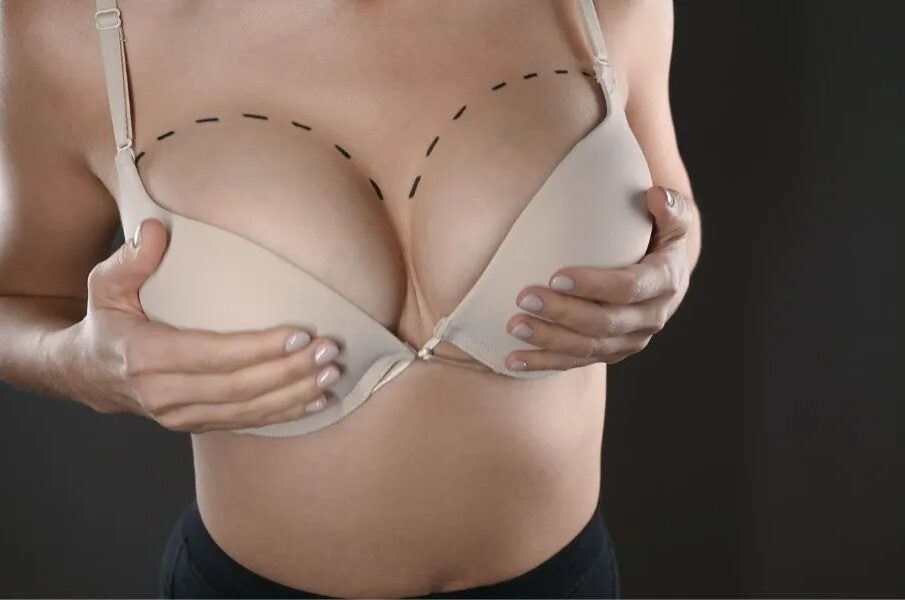
Breast augmentation is a commonly chosen cosmetic procedure that focuses on enhancing the volume, shape, and overall appearance of the breasts. It is commonly chosen by individuals who want to restore volume lost after weight changes, pregnancy, or aging, or simply to achieve a more proportionate figure. With advancements in medical techniques, Breast Augmentation has become safer and more customizable to suit individual preferences.
Types of Breast Implants
Choosing the right type of implant is an important step in the breast augmentation process. Each option offers unique features and benefits.
Common Implant Types
- Saline Implants
These implants contain a sterile saline solution as their filling material. They are inserted empty and filled during the procedure, allowing for adjustable sizing.
- Silicone Implants
Filled with silicone gel, these implants are known for providing a more natural look and feel compared to saline options.
- Gummy Bear Implants
Also called form-stable implants, they maintain their shape even if the outer shell is damaged, offering a firmer texture.
- Round vs. Teardrop Shapes
Round implants provide fuller upper breast volume, while teardrop-shaped implants create a more natural slope.
Procedure Steps
Understanding the surgical process can help reduce anxiety and prepare patients for what to expect.
Step-by-Step Overview
- Consultation and Planning
The surgeon evaluates the patient’s goals, body type, and medical history to recommend suitable implant types and sizes.
- Anaesthesia Administration
General anaesthesia is typically used to ensure comfort during the procedure.
- Incision Placement
Incisions are usually made in one of the following areas:
- Under the breast fold
- Around the areola
- In the armpit
- Implant Placement
The implant is positioned either under the chest muscle or directly behind the breast tissue, depending on the desired outcome.
- Closing the Incisions
The incisions are carefully closed with sutures, and dressings are applied to support healing.
Expected Results and Recovery
Breast augmentation results are usually visible immediately, although swelling may temporarily affect the final appearance. Over time, the implants settle into a more natural position.
What to Expect After Surgery
- Initial recovery (1-2 weeks):
Mild swelling, soreness, and tightness are common. During this time, many individuals are able to gradually resume simple, non-strenuous daily tasks.
- Intermediate phase (3-6 weeks):
Swelling gradually reduces, and patients can slowly resume normal routines, including exercise with medical approval.
- Long-term results:
Final results become more noticeable after a few months, once the breasts have fully healed and settled.
Benefits of Breast Augmentation
- Improved body symmetry and proportion
- Enhanced self-confidence
- Better fit in clothing and swimwear
- Long-lasting results with proper care
Breast augmentation is a well-established procedure that offers both aesthetic and emotional benefits. By understanding the types of implants, surgical steps, and recovery process, individuals can make informed decisions about their treatment. Consulting a qualified and experienced surgeon is essential to achieve safe, satisfying, and natural-looking results.