Fresh Skin Often Starts With Better Surface Renewal Choices Today

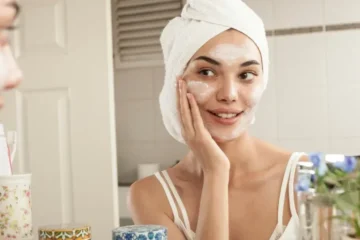
A mirror tends to show small changes before anyone else notices them. Maybe the skin looks a little duller than it did last year, or an old acne mark that should have faded by now just has not. For a lot of people, that is the actual starting point, not some big skin problem, just a slow accumulation of small things. And somewhere in the middle of researching what might help, many end up at see website recommendations while reading about professional skin treatments.
There is no single reason skin begins looking different. Time plays a role, of course, but so do years spent outdoors, previous breakouts, and everyday habits that most people barely think about.
Small Changes People Notice First
- Texture often changes before colour does.
- The face may still look healthy overall, yet it feels rougher after washing or appears flatter in certain lighting. Some people notice foundation sitting unevenly. Others simply feel their usual skincare routine has stopped making much difference.
- Those experiences are common, although not everyone notices the same things first.
Skin Renewal Does Not Always Keep The Same Pace
- Healthy skin is constantly replacing itself. New cells move upward while older ones gradually leave the surface. It sounds straightforward, but the process naturally becomes less efficient over time.
- That slower cycle does not create dramatic changes overnight. Instead, the skin can slowly lose some of its brighter appearance because older surface cells remain in place longer than they once did.
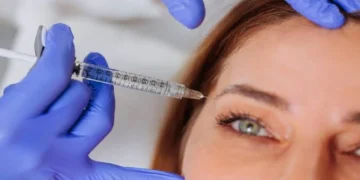
- This is one reason chemical peels are sometimes discussed during a dermatology consultation. The treatment encourages controlled exfoliation, allowing newer skin to become visible while targeting concerns that match the selected peel.
When Daily Products Reach Their Limit
- A good skincare routine still matters.
- Gentle cleansing, moisturising, and sun protection remain important regardless of whether someone ever considers a professional treatment.
- Even so, there are situations where creams and serums alone cannot noticeably improve stubborn texture or marks that have remained unchanged for months. That does not automatically mean stronger treatment is necessary. Sometimes it simply opens the conversation about other options.
Not Every Chemical Peel Is Intended To Do The Same Job
People occasionally speak about chemical peels as though there is only one version. In reality, treatments vary.
| Skin concern | A dermatologist may consider |
|---|---|
| Mild dullness | A lighter surface peel |
| Uneven texture | A peel matched to skin sensitivity |
| Lingering discoloration | A personalised treatment plan after assessment |
The decision comes after examining the skin rather than choosing the strongest peel available. Previous treatments, skin type, medical history, and current skincare products can all influence that discussion.
Reading reliable information before scheduling a consultation often makes the process easier to understand. If you want to explore how different peel options are assessed, see website resources from a dermatology practice can explain what happens before treatment, what recovery may involve, and which skin concerns may benefit from professional evaluation.