Why Patient Commitment Matters Throughout the Limb Lengthening Journey
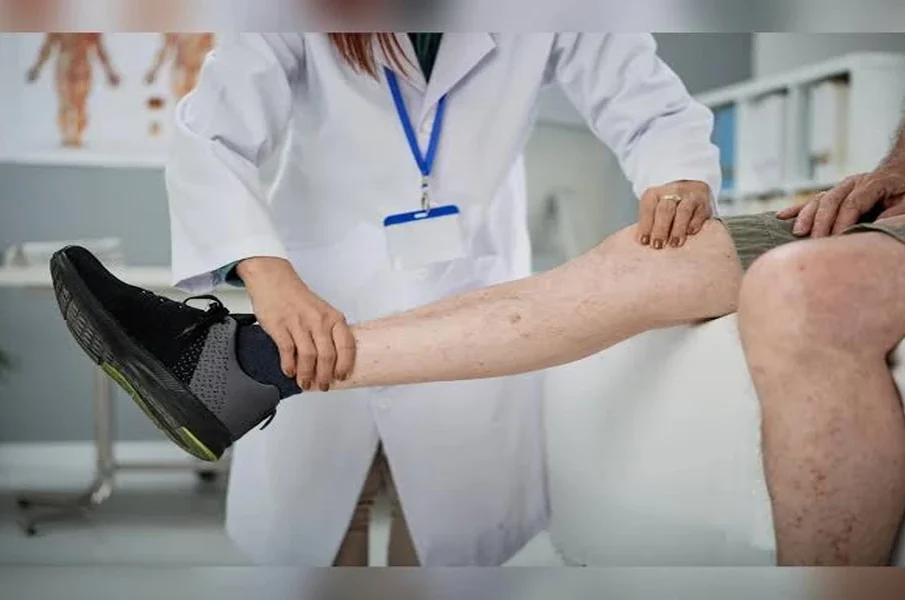
Limb lengthening is a complex orthopedic process that extends far beyond the surgical procedure itself. While medical expertise, careful planning, and modern technology are important, the patient also plays a significant role in the overall journey. Following instructions, attending appointments, participating in rehabilitation, and maintaining realistic expectations can all influence how smoothly the different stages progress.
Unlike procedures where most recovery occurs through rest, limb lengthening usually requires active participation over an extended period. Understanding this responsibility before treatment can help patients prepare for the physical and practical demands ahead.
Commitment Begins Before Surgery
Patient involvement starts well before entering the operating room. The preparation period provides an opportunity to understand the procedure, expected timeline, rehabilitation requirements, mobility limitations, and potential risks.
Patients should use consultations to ask detailed questions and make sure they understand what will be expected of them. Discussions with specialists such as Kevin Debiparshad, MD may cover treatment goals, surgical planning, recovery expectations, and the responsibilities a patient will have during different stages of the process.
Preparing the home environment can also be valuable. Arranging frequently used items within easy reach, organizing transportation, planning time away from work, and establishing a reliable support system may make the early recovery period easier to manage.
Following the Lengthening Schedule Carefully
After surgery, the gradual lengthening phase requires consistency. Depending on the treatment approach, patients may receive specific instructions regarding adjustments and the rate at which lengthening should progress.
This schedule should not be changed independently. Trying to accelerate the process may interfere with the carefully planned relationship between bone formation and surrounding soft tissues. Similarly, failing to follow instructions consistently can affect treatment progression.
Keeping records can help patients remain organized. Notes about adjustments, mobility, discomfort, exercises, or unusual symptoms may also provide useful information during follow-up appointments.
Physical Therapy Requires Active Participation
Rehabilitation is one of the most demanding aspects of the limb lengthening journey. As bones gradually lengthen, muscles, tendons, nerves, and other soft tissues must adapt to changing dimensions.
Physical therapy may focus on maintaining joint mobility, flexibility, muscle function, and movement patterns. Simply attending appointments is not always enough. Patients may also receive exercises to complete between supervised therapy sessions.
Consistency becomes particularly important when progress feels gradual. Skipping exercises because improvement is not immediately noticeable can work against rehabilitation goals. Following the prescribed program helps patients maintain a structured approach throughout recovery.
Communication Supports Safer Recovery
Commitment also means communicating openly with the medical team. Patients should report concerning symptoms rather than waiting until the next scheduled visit. Changes involving pain, swelling, movement, wounds, sensation, or general health may require professional assessment.
Follow-up appointments allow clinicians to evaluate healing and monitor progress. Imaging may be used at different stages to assess new bone development and determine whether treatment is progressing appropriately.
Patients should therefore avoid treating follow-up visits as optional simply because they feel well.
Patience Matters During Bone Healing
One of the biggest challenges can be accepting that biological healing takes time. The body needs to produce and strengthen new bone while surrounding tissues adapt to the increased length.
Progress may not always occur at the pace a patient initially imagined. There can be periods when activity remains limited even though the person feels ready to do more. Following medical guidance during these stages is important because feeling stronger does not necessarily mean the bone has completed the necessary healing process.
Patience helps prevent personal expectations from overriding clinical recommendations.
Maintaining Healthy Daily Habits
Recovery is also influenced by everyday behavior. Patients may receive individualized recommendations concerning nutrition, sleep, medications, activity, and substances that could interfere with healing.
Creating a daily routine can make these responsibilities easier to manage. Scheduling exercises, meals, rest, medication, and appointments provides structure during a period when normal routines may be disrupted.
Staying Engaged Through the Entire Journey
Limb lengthening should be viewed as a process rather than a single medical event. Surgery represents one important stage, but rehabilitation, gradual lengthening, bone consolidation, monitoring, and eventual return to regular activities all require continued involvement.
A committed patient remains engaged even after the initial excitement or motivation has faded. By following professional instructions, attending appointments, completing rehabilitation, communicating concerns, and respecting the body’s healing timeline, patients can approach the limb lengthening journey with greater preparation and responsibility.